
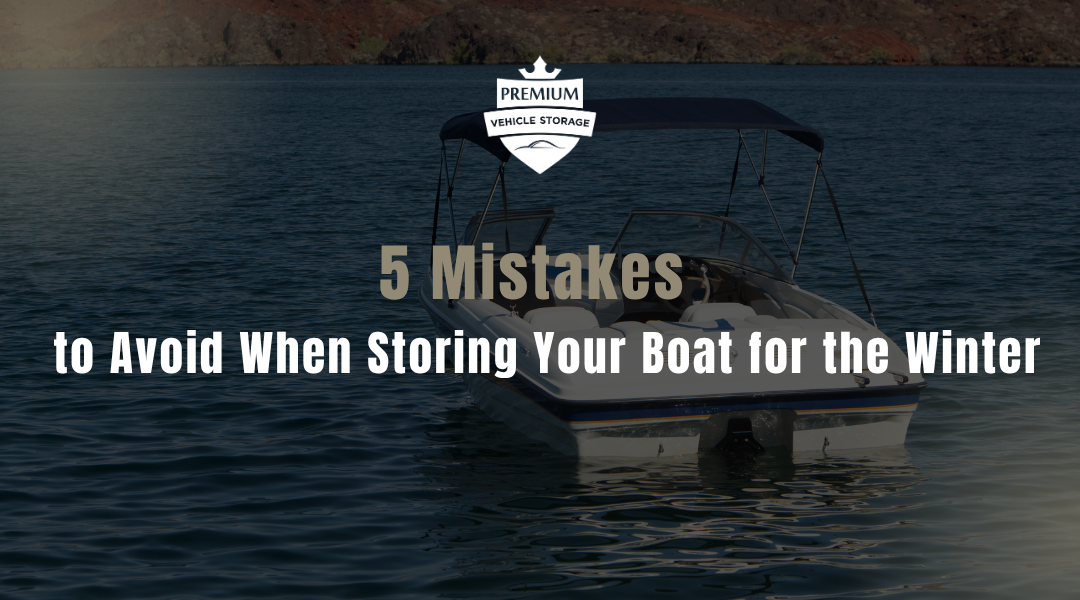
For many Ottawa boat owners, the end of summer means it’s time to start thinking about winter storage. After months of time on the water, putting your boat away can feel like a simple process: clean it, cover it, and find somewhere to store it until spring.
But proper winter storage involves more than just putting a cover over your boat.
Ottawa winters can bring freezing temperatures, snow, ice, moisture and significant temperature changes. Without the right preparation, these conditions can contribute to damage that may not become obvious until you’re ready to get back on the water.
Taking a little extra time at the end of the boating season can help protect your boat, reduce the chance of unexpected repairs and make the transition back to boating much easier in the spring.
Here are five common mistakes to avoid when storing your boat for the winter.
1. Skipping or Rushing the Winterization Process
One of the most important steps before storing your boat is also one of the easiest to overlook: properly winterizing it.
Simply draining what you can see and putting the boat away may not be enough. Water can remain in different parts of the engine, cooling system, plumbing and other components. When temperatures drop below freezing, that trapped water can freeze and expand, potentially damaging components.
The exact winterization process will depend on your boat, engine and equipment, which is why it’s important to follow the manufacturer’s recommendations or work with a qualified marine professional.
Winterization may involve preparing the engine and cooling system, addressing the fuel system, draining appropriate water systems and taking care of other manufacturer-recommended maintenance.
It’s also a good opportunity to identify any repairs or maintenance that should be completed before the next boating season.
The takeaway: Don’t wait until the first major freeze to think about winterization. Give yourself enough time to properly prepare the boat before it goes into storage.
2. Ignoring the Fuel System
Fuel is another area that deserves attention before your boat is stored for several months.
Fuel can deteriorate over time, and moisture can become a concern when a fuel system sits unused for an extended period. Depending on your boat and the manufacturer’s recommendations, using an appropriate fuel stabilizer can help protect the fuel system during the off-season.
The correct approach can vary depending on the type of engine and fuel system, so it’s important to follow the manufacturer’s instructions rather than relying on a one-size-fits-all solution.
While you’re preparing the boat, it’s also worth checking for any existing fuel-system issues or maintenance needs. Discovering a problem in the fall gives you plenty of time to address it before you’re trying to launch the boat in the spring.
A little preventative maintenance now can save you from starting the boating season with an unexpected repair.
The takeaway: Don’t treat fuel as an afterthought. Prepare the fuel system according to your boat manufacturer’s recommendations before long-term storage.
3. Forgetting About Moisture
Cold temperatures aren’t the only thing your boat has to contend with during an Ottawa winter. Moisture can also create problems when a boat sits unused for several months.
Condensation and trapped humidity can contribute to mildew, unpleasant odours and damage to certain interior materials. This is especially important to consider if your boat is covered or stored in an area where moisture can’t easily escape.
Before storage, give the interior a thorough cleaning and make sure it is completely dry. Remove wet equipment, towels, life jackets and other items that could retain moisture. It’s also a good idea to remove food and other items that shouldn’t be left inside the boat for an extended period.
Your boat cover also plays an important role. A proper cover should help protect the boat from snow, rain and debris while still allowing appropriate ventilation. Simply wrapping the boat tightly and trapping moisture underneath can create a different set of problems.
The takeaway: Winter protection isn’t just about keeping snow off your boat. Keeping moisture under control is an important part of protecting the interior throughout the off-season.
4. Leaving Everything Inside
At the end of a busy boating season, it can be tempting to leave everything where it is and deal with it next spring.
Fishing equipment, electronics, personal belongings, cleaning products, food, life jackets and other gear can quickly accumulate inside a boat. But not everything belongs in a boat during several months of winter storage.
Items that are sensitive to freezing temperatures or moisture may be damaged if they’re left inside. Removing your belongings also gives you an opportunity to properly clean and inspect the interior before the boat goes into storage.
Take the time to empty storage compartments, remove anything that shouldn’t remain onboard and check areas that may have been overlooked throughout the boating season.
This is also a good time to make a simple list of anything you’ll need to replace or repair before spring. Maybe a life jacket needs replacing, a piece of equipment needs servicing or a storage compartment needs attention. Making note of these things now means you won’t have to remember everything months later.
The takeaway: Emptying your boat before winter isn’t just about organization. It helps protect your belongings and gives you a chance to prepare the boat for the next season.
5. Treating Winter Storage Like Parking
One of the biggest mistakes boat owners can make is thinking about winter storage as simply finding somewhere to leave the boat.
Your boat will be sitting unused for months, but it will still be exposed to whatever conditions surround it. Snow, ice, wind, moisture, debris and temperature fluctuations can all take their toll over a long Ottawa winter.
Where you store your boat can make a difference.
Outdoor storage may leave your boat exposed to the elements throughout the winter. Even with a cover, your boat is still dealing with changing weather conditions and the accumulation of snow and ice.
A secure, climate-controlled storage environment provides another level of protection from those conditions. It can also give you peace of mind that your boat is being stored in a dedicated environment rather than simply sitting outside for the season.
Of course, the right storage option depends on your boat, your budget and your individual needs. But it’s worth considering the conditions your boat will be exposed to before choosing where it will spend the next several months.
The takeaway: Winter storage is about more than finding an empty space. Consider the environment your boat will be sitting in for the entire off-season.
Prepare Your Boat Before Winter Arrives
Proper winter storage starts well before the first major snowfall.
By taking the time to properly winterize your boat, prepare the fuel system, control moisture, remove belongings and choose an appropriate storage environment, you can help protect your investment throughout the off-season.
It can also make spring much less stressful. Instead of discovering problems when you’re eager to get back on the water, you’ll have already taken steps to prepare your boat for its time in storage.
For Ottawa boat owners, winter is unavoidable, but that doesn’t mean your boat has to take the full brunt of it.
At Premium Vehicle Storage Ottawa, we provide secure, climate-controlled storage designed to help protect your vehicle or recreational equipment during the off-season.
When boating season comes to an end, contact us to give your boat the preparation and storage environment it deserves. Then, when warmer weather returns, you’ll be ready to get back on the water.


Recent Comments